

The Importance of a Gas Safety Certificate
A gas safety certificate, also referred to as a landlord gas safety record, or CP12 is a vital legal document for any home with gas appliances. It verifies that an engineer registered with the company has conducted a thorough inspection and found the appliance to be safe for use.
It is highly recommended that, although not legally required by law, you seek a CP12 during the home buying process. It gives buyers peace of mind and assurance that the property meets required safety standards.
Peace of Mind
A valid Gas Safety Certificate is essential for any property that includes gas appliances. This document confirms that the appliances have been through a series of inspections and are safe to use. It also proves that you're in compliance with law and could prevent fines and other legal issues in the event of a problem.
A gas safety engineer will conduct an inspection of the visual appearance of all gas appliances and the gas system itself to search for any signs of leaks or other issues that could be dangerous. The engineer will also test for carbon Monoxide, a colorless and smellless gas that can be dangerous if inhaled at high levels. In addition to these tests the engineer will also check that all gas appliances are installed properly and functioning correctly.
Landlords are legally obliged to get a gas safety certificate before renting out their homes. They could be subject to heavy fines or even prison time if they fail to do so. Aside from complying with the law, a gas safety certificate provides peace of mind for tenants by showing that their landlord has taken necessary steps to ensure the safety of their property.
Alongside peace of mind, having gas safety certificates will help you avoid costly repairs. Performing regular maintenance on your appliances can identify problems before they become serious and stop them from deteriorating or becoming dangerous. Making sure you are up to date with your gas safety inspections will also prolong the life of your appliances, thereby saving you money over time.
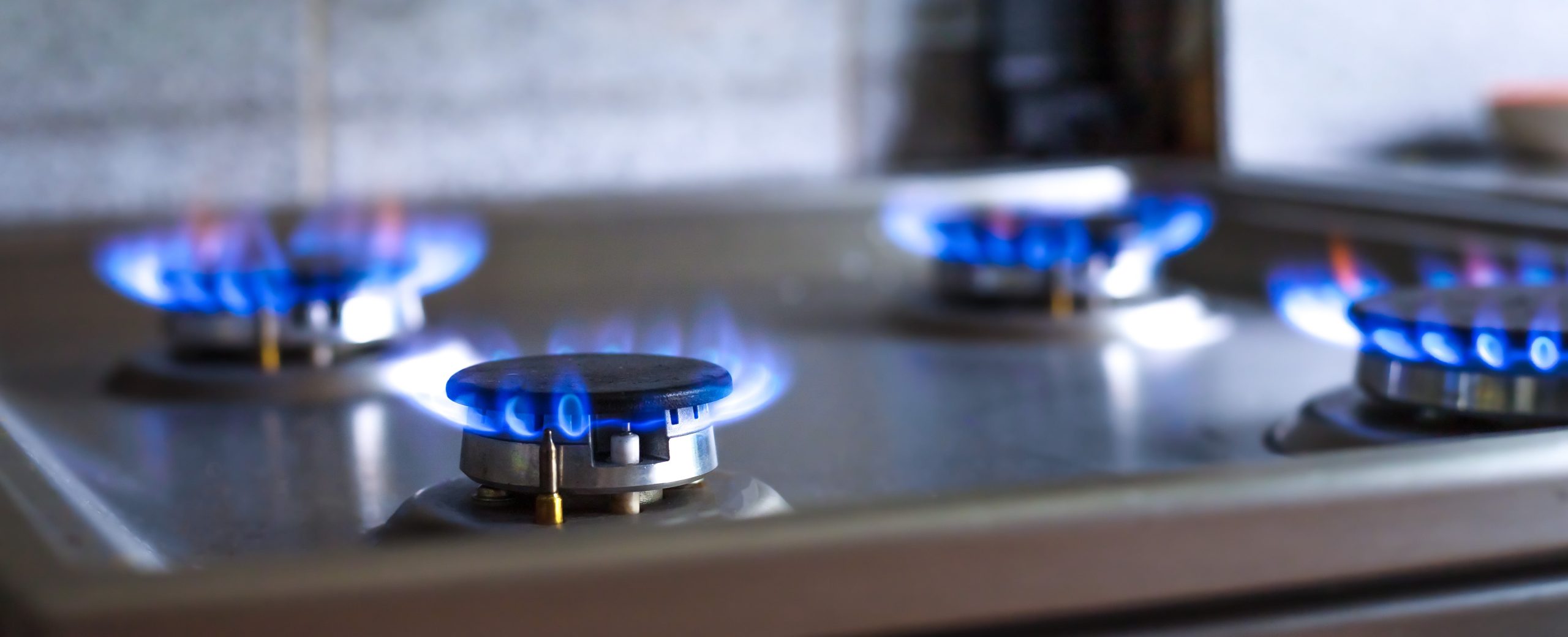
Many homeowners don't realize that they are required to be equipped with a Gas safety certification for their residences. It is vital to have this certification as it can protect you against accidents and other costly issues such as carbon monoxide poisoning.
A Gas safety certificate will make your rental property more appealing to potential tenants and increase the value of your property overall. It can help you to stay ahead of the competition by ensuring safety and upkeep of your property. Apart from the peace of mind it provides the owner, a Gas safety certificate can save you from costly repairs and ensure that your tenants are safe from dangers such as carbon monoxide poisoning.
Legal Compliance
A Gas safety certificate is a crucial document that proves that all your gas appliances, installations and fittings comply with the required standards. Whether you are a business owner, landlord, or homeowner, it is crucial to understand what these documents entail and their importance.
The first section of your Gas safety certificate will list all the appliances and installations that were examined. The first section of your Gas safety certificate will list all the appliances and installations that were examined. It will also detail any issues or problems that were discovered, and suggest additional actions, if required.
gas safety certificate homeowner are legally required to ensure that their properties have an approved Gas Safety Certificate. This includes arranging annual inspections and giving copies of the certificate to their tenants. However, it's an excellent idea for homeowners to get their gas appliances inspected regularly in order to help them catch potential issues before they become major issues that could cost them money and possibly result in injuries or accidents.
Gas safety certificates can be a major selling factor for landlords when they put their property on sale. This will put potential buyers' minds at ease about the efficiency and safety of gas appliances and installations in the house, which can dramatically increase the value of a property.
It is crucial to note that the landlord is responsible for all gas appliances and flues in a rental property however, not for those brought by a tenant. The decision in Caridon Property Ltd. v Monty Shooltz indicates that landlords who fail to provide an official gas certificate prior to serving an Section 21 notification could face legal sanctions.
A gas safety inspection for commercial use is a mandatory requirement for companies that have industrial installations and appliances. This is to ensure that employees are safe and that the equipment is in compliance with the required standards. Gas Safe registered engineers must conduct the inspection and issue the Gas Safety Certificate. This can lower the risk of explosions and fires. It also keeps employees safe and reduce expensive downtime in the event of an accident. occurs.
Commercial Properties
If you're a homeowner or landlord, it's essential to have all gas appliances and installations tested at least every year. This will ensure that the appliances are safe to use and that any problems need to be addressed.
A gas safety certificate, also known as a CP12 or Gas Safety Record, is an official document that details the results of a safety check. It contains all the information about the appliances examined and the results of each inspection. It will also indicate whether each appliance was deemed to be in danger or not in compliance with current standards, or was identified as imminently dangersome. The record will also list any issues which need to be addressed to ensure that the appliance is safe for use, as well as any recommendations for how to fix them.
In commercial properties, the landlord is usually accountable for obtaining gas safety certificates. This is because landlords are generally the ones who manage the gas appliances in the space they lease and, therefore, are in the best position to ensure that they're regularly serviced and maintained. A landlord who fails to obtain a gas safety certification could be punished with heavy fines or even prison in the event of an accident that could have been avoided if a certificate was valid.
Landlords can schedule a gas inspection easily by calling us or making a booking online. A professional engineer with a good reputation will inspect the property and will check the gas appliances. The engineer will issue the Gas Safety Certificate (CP12) to the landlord. The landlord is then required to provide the certificate to all tenants and to give a copy of the CP12 at the end of each lease.
Sometimes, tenants may not allow an engineer to enter their home or office and insist on doing the work themselves. It is usually because the tenant feels that the presence of an engineer in their office or home would be an invasion of their privacy, or they are unhappy with the condition of their appliances. Landlords or agents should always convince tenants that allowing an engineer into their home to inspect gas appliances is a must. This will shield them from large fines and will also help extend the lifespan of appliances.
Homeowners
As a homeowner, you are not legally required to possess an official Gas Safety Certificate. However, it's recommended to have one in case you want peace of mind. This is especially true if you intend to sell your house in the near future. A valid certificate will put the minds of potential buyers at ease regarding the condition of your gas appliances.
When you employ an accredited engineer to conduct a Gas safety check, he will inspect the ventilation channels within your home, verify that all safety devices are functioning properly, and assess appliance pressure. He will then write an assessment report and provide you with a Gas safety certificate. The certificate will state the appliances and installations that have passed or failed the test, as well as any issues that he discovered that need to be addressed.
Many homeowners testify to the importance of these checks and report that the thoroughness and reliability of the services offered by certified engineers provided them with confidence in the state of their homes' gas systems. They also report that the inspectors' work often identifies a potential danger that they weren't aware of and could save the homeowners from a costly disaster. Homeowners also appreciate the speed with which they receive their certificates.
Although it's not a legal requirement in most regions, obtaining a Gas safety certificate is a good idea for both residential and commercial properties which are used by tenants. The certificate proves that gas appliances and installations within the building can be safely used. This is particularly important for rental properties, where tenants' welfare is paramount. A Gas safety certificate can assist landlords in saving money on repairs and avoid fines. Landlords without an official Gas Safety Certificate could face massive fines or even be detained. It is essential that landlords have their gas appliances and installations examined by a licensed professional every year. This will ensure they have a valid Gas safety certificate that will give them peace of mind and protect them from fines or penalties if they're found to be in violation of regulations.